Gold and Corridors: The Real Engines of War
The Sudan war, publicly framed as a power struggle, is in essence a battle over several key issues- which we will discuss later in this article. We focus on resource control. For the RSF, gold mines in Darfur and Kordofan represent both autonomy and leverage – fuel for war and currency for alliances. Smuggled through Libya, Chad, and Niger to markets like Dubai, the promise of Sudanese gold lies not only in exports but also as an economic network beyond the central state’s reach. Control of gold and other minerals, agricultural land, and cross-border trade routes means controlling the course and future of the state – internally but with external influence – as the cross-border economy has become the primary driver of conflict. Sudan’s war has entered a decisive phase, shaped by internal collapse and external exploitation. The RSF’s capture of El-Fasher and dominance over trade routes and mineral wealth does not merely reflect a change in military frontlines, but rather signals a de facto redistribution of power and wealth inside and outside the country.
Empire of gold: The UAE’s expanding grip on Africa’s mineral wealth
Gold pulled from Sudan’s war zones moves along hidden routes – passed between smugglers, militias, and middlemen – before reaching Dubai, where it is converted into money and influence. This trade, rooted in state collapse and empowered by armed groups, now binds the Persian Gulf to some of Africa’s most fragile fronts. The story began in mid-2012 with three young men scanning the earth near Jeli using simple metal detectors. A faint signal drew them westward for 20 kilometers, until they stood at the foot of – a mountain that would later be known as Sudan’s “Mountain of Gold “. Their find proved fateful. Within days, word raced across the region: dirt roads thickened with travelers, tents and pumps multiplied across the hills, and thousands of prospectors poured in. What started as a lucky strike quickly altered Darfur’s balance, unleashing rival claims, sudden fortunes, and the violence that shadowed them. Jebel Amer sits in the Al-Sarif locality in North Darfur. It produces an estimated 50 tons of gold each year – one of the largest deposits on the continent – and holds other minerals, including iron, aluminum, and platinum. After South Sudan’s secession in 2011 stripped Khartoum of roughly three-quarters of its oil revenue, the government pushed citizens toward artisanal mining as an economic lifeline. Instead, the rush for gold deepened instability and drew armed groups into an already-fractured region. When major deposits surfaced in April 2012, the area became a magnet for wealth and influence – and the Janjaweed militia moved to seize the mines, displacing local communities and igniting conflict.
By the end of the year, violence had spread across the region, and in January 2013, open fighting killed hundreds while mine shafts collapsed on dozens of workers. Truces came and went, but each collapse and clash made clear that the conflict was no longer just a tribal one but a struggle for control of one of Sudan’s most valuable assets. By 2017, almost complete control of Jebel Amer had been settled in the hands of the Rapid Support Forces (RSF) through the Mohamed Hamdan Dagalo-owned Al Junaid Holding Company, and gold became their main source of financial power, directly linked to their ability to finance their military activities and control the area. The did not stop there. Its shine carried far beyond Sudan, drawing the interest of the UAE. From Darfur, the metal moved along smuggling routes, through commercial flights, and via corporate parcels into Dubai’s markets and refineries – feeding a network in which Sudan’s conflict became someone else’s gain.
Sudan: The Arab World’s Gold Giant
Sudan is the No 1 Arab gold producer, with more than 40,000 exploration sites and 60 refining companies spread across 13 states, with its focus on the Nile, the North, and the Red Sea. The UAE quickly became Sudan’s primary export destination. Deals flowed through companies linked to Dagalo (Hemedti) and his relatives, gold moved by land and air into Dubai, and the RSF used the profits to procure weapons. When war erupted in 2023, the gold trade shifted from an economic pillar to a war chest. The US sanctioned 11 companies – many registered in the UAE – for facilitating RSF financing through gold. Official production in 2024 reached 64 tons, yet only 31 tons were recorded as legal exports. The balance simply vanished into parallel channels. After Khartoum airport was destroyed and Port Sudan slipped beyond RSF control, the militia adopted new tactics. Motorcycles ferry gold across borders. depart from Nyala in containers labeled as agricultural goods and livestock. Night flights – less than 90 minutes long – avoid detection. Talk of the UAE’s ambitions in Africa starts with Sudan. But Sudan is not an isolated case, as the picture extends to the entire continent. The UAE imported 446 tons of gold from 46 African states in a single year – worth $15.1 billion. Yet, glaring inconsistencies show that 32–41 percent of African gold is unreported – much of it absorbed by Emirati networks, followed by Turkey and Switzerland. The same pattern has emerged in Yemen. Emirati companies such as Thani Dubai Mining have embedded themselves in resource-rich areas. Gold extraction is now directly linked to the UAE’s political project through the Southern Transitional Council (STC).
Dubai – a Gold Hub
Starting in the 1960s, Dubai transformed from a small trading settlement into a global gold-smuggling hub, leveraging its liberal trade policies and strategic location to facilitate the illicit flow of gold to India. This era, was driven by a high demand for gold in India- where imports were restricted. The cornerstone of this trade was that while importing gold into India was banned, it was perfectly legal to import, trade and export gold in Dubai. In the 1960s, gold was flown from London’s top bullion houses (such as Johnson Matthey, Samuel Montage, NM Rothschild and others) to the British Bank of the Middle East in Dubai. In 1966 alone, around 40 -50 tons of gold were shipped from London to Dubai. With gold priced at $35 an ounce in 1967, it was being sold in India for double that amount, creating immense profits. The gold was loaded from Dubai Creek onto fast launches – designed to look like traditional dhows – and transported across the Arabian Sea to Mumbai and Calcutta in India. Smugglers often used specialized rapid vessels to avoid Indian Customs police. These boats did not return empty; they brough back crude silver ingots to Dubai, which were then flown to London, making Dubai a massive exporter of silver despite having no mines. The trade was managed by a complex network of Arab, Indian and Pakistani merchants. The insatiable demand for gold in India for personal, traditional and investment purposes provided a consistent, high-volume market. Following the collapse of the pearl industry due to cultured pearls from Japan, Dubai needed a new economic pillar, which gold provided. By the late 1960s and early 1970s, as oil revenue began to flow, the profits from this grey market trade were channeled into Dubai’s developing infrastructure, including the construction of hotels and real estate. The foundation of Dubai as a “City of Gold” was laid during this period of high-stakes, cross-border smuggling.
Why the UAE needs Africa’s Gold?
The UAE has few domestic reserves but a vast gold ecosystem – refineries, traders, logistics firms, free zones, and relaxed regulatory frameworks. Dubai markets itself as the natural home of the global bullion trade, and maintaining this role requires a continuous supply of raw gold, especially from regions where oversight is weak. Sudanese gold offers the UAE two advantages. First, it provides the crude material required to keep Dubai’s refining industry profitable. Second, it extends Abu Dhabi’s political reach deep into Africa’s economic systems. There is also a monetary dimension. As confidence in the US dollar fluctuates, global central banks are moving toward non-dollar assets. Gold has become an anchor in a shifting global economy. By 2023, the UAE surpassed the UK to rank second – after Switzerland as a top gold trader.Its entry into BRICS in 2024 strengthened this position further, positioning the UAE as Asia’s primary gold conduit. In order to maintain this role, the UAE needs African gold – not occasionally, but consistently, and at scale. In just two decades, the UAE has transformed from a marginal importer to a force in global gold trading. It now accounts for roughly 11 percent of the world’s gold exports, with 4,000 jewelry companies and 1,200 retail stores employing about 60,000 people. Before 1996, the UAE was not even among the top 100 gold importers. Today, it sits in the top four, having overtaken the US and Hong Kong. Eleven large refineries operate in Dubai despite the country lacking a domestic supply.
But this rise rests on foundations. In 2024 alone, the UAE imported 1,400 tons of gold – worth $105 billion. More than half originated from African countries such as Sudan, Chad, Libya, and Egypt, much of it linked to conflict actors like the RSF. Additional flows from Uganda, Rwanda, and Togo reinforce the depth of smuggling networks ending in Dubai. Regulatory rules within the UAE make this possible. Passengers entering with gold face no disclosure requirement; self-filled buyer forms suffice. Customs do not ask about the country of origin. Large amounts of illicit gold are sold openly in Dubai’s markets long before reaching refineries. The identities of foreign buyers who purchase refined gold remain shielded, allowing the UAE to sit at the center of a global laundering mechanism that integrates conflict gold into the international supply chain.
Somaliland & Puntland
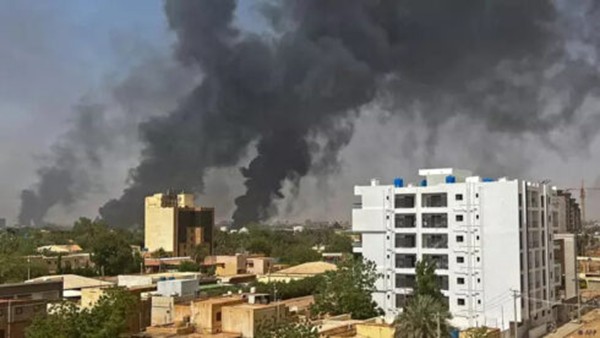
The UAE is operating a secret base in the Puntland State of Somalia to funnel weapons to the Rapid Support Forces (RSF) in Sudan. Emirati planes carrying heavily guarded cargo frequently arrive at Bosaso Airport in Puntland. These planes first started landing in Bosaso two years ago. They are frequent and the logistics are transferred immediately to another aircraft that is on standby and is destined for the paramilitary RSF in Sudan through the neighboring countries. The UAE has also set up a radar facility, ammunition depots, and a designated cargo area for transport aircraft at Bosaso Air Base, located near the airport. According to satellite imagery, rapid construction was being carried out on the eastern edge of the Bosaso Air Base between January 2024 and January 2025. The images also show what is likely to be an Emirati-operated French-made GM-403 radar. There have been reports of an advanced Israeli radar system being present at the site as well. During loading and offloading, they are heavily guarded, as they carry sensitive materials and logistics that are not publicly disclosed. “For the past two years, the UAE has funneled over 500,000 containers marked as hazardous through Bosaso,” said another source, a senior manager at Bosaso Port. The Emirati government and army have also established a vast network of military and intelligence sites on the islands around Yemen, in coordination with Israel. These sites are part of a joint Emirati-Israeli effort to counter the Houthis, which fought Abu Dhabi-backed forces during the Saudi-led war on Yemen and targeted Israel consistently throughout the two-year genocide in Gaza. This network of UAE sites across Yemeni islands and near the coast of Somalia, which has been described as an occupation, continues. A new base is being built on the island of Zuqar off the coast of Yemen. The new report on the Emirati-run base in Puntland comes less than a week after the fall of the city of El-Fasher in Sudan’s North Darfur, which was captured by the RSF after a brutal, 500-day siege. RSF forces have filmed themselves committing massacres against civilians in El-Fasher, resembling the Syrian government’s slaughter of Alawites earlier last year. RSF forces pushed into the city on 26 October. On Monday, the Sudanese army announced its withdrawal from the city, which was its last western stronghold. El-Fasher is home to around 260,000 civilians who remain trapped. Many have lost contact with their family members in other parts of the country. Numerous reports have come out over the past two years confirming Emirati military support for the RSF. This includes arms supplied by Britain to the UAE and then sent by Abu Dhabi to the RSF.
Abu Dhabi’s exit from Yemen and its strategic push into Africa
With its Yemen venture faltering under Saudi pressure and local resistance, Abu Dhabi is racing to rebrand its influence through checkbook diplomacy across Africa. In late December 2025, an unusual flurry of Emirati military pullout began across southern Yemen. By early January, whispers of a quiet retreat had become official – the UAE was exiting the Yemeni theater. The withdrawal marked the conclusion of a years-long project that had exhausted its strategic purpose. The Southern Transitional Council (STC), once the UAE’s most reliable lever in Yemen, had buckled under tribal rivalries and Saudi encroachment in the governorates. As Riyadh reasserted its security dominance over key strategic territories, Emirati proxies were squeezed out, often without a fight. With diminishing influence and rising liabilities, Abu Dhabi pulled back, signaling not a tactical recalibration but a full strategic departure. The final straw may have come with the Saudis regaining key positions in southern Yemen and other parts of Hadhramaut previously held by UAE-aligned forces. This shift from subtle rivalry to direct displacement highlighted just how untenable Abu Dhabi’s position had become. As pressure mounted in Yemen, Abu Dhabi wasted no time in redirecting its influence playbook toward the African continent. It involved a full-scale investment strategy, aimed at repositioning Abu Dhabi as a leading development partner on a continent hungry for infrastructure, technology, and capital. Meanwhile, Abu Dhabi committed nearly $500 million through a coalition of philanthropic entities, including the Mohammed bin Zayed Philanthropies, to improve maternal and neonatal health across the continent. These are only the headline figures. Abu Dhabi has also pledged hundreds of millions more through ADQ, Khalifa Fund, and other vehicles targeting agriculture, logistics, and green energy in East and West Africa. Together, these ventures mark a methodical shift away from military model toward a model where aid, investment, and infrastructure drive influence. This is a doctrine that uses development finance as both soft power and a geopolitical entry point. Much like China’s BRI projects, Emirati aid is now structured to secure long-term partnerships with African governments, institutions, and multilateral agencies, building political capital without boots on the ground.
Ports of power: Securing Sea Lanes without Soldiers
Parallel to its development push, the UAE has embedded itself across Africa, erecting a covert empire across the Red Sea through long-term port concessions and logistics deals that effectively function as geopolitical anchors. Ports have become a central plank in Abu Dhabi’s foreign policy. Long-term concessions, infrastructure investments, and logistical integration allow the UAE to exert soft military presence without direct deployments – securing trade chokepoints and maritime arteries that double as leverage over regional states. The map below shows the network of Abu Dhabi’s ports and bases
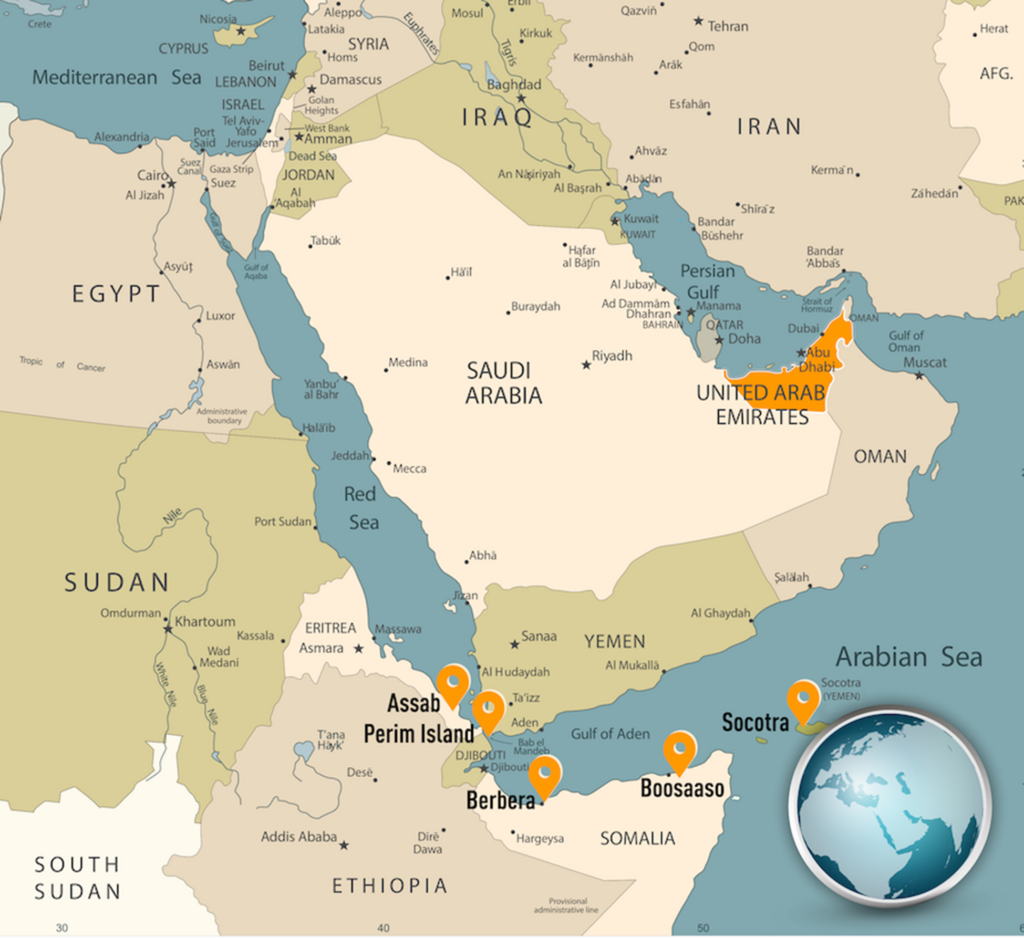
Yet this port-driven strategy has not gone uncontested, with Somalia emerging as a sharp stress test for the political limits of Emirati influence in the Horn of Africa. On 12 January 2026, in an unprecedented escalation, Somalia’s federal government annulled all agreements signed with the UAE, including port concessions and defense and security cooperation deals, accusing Abu Dhabi of undermining national sovereignty. The move, however, immediately exposed deep internal fractures and the fragility of central authority: Puntland authorities announced the cancellation null and void within their territory, reaffirming the continuation of their security and development partnership with the UAE – most notably the Bosaso port development project operated by DP World. Yemen demonstrated the fragility of using armed proxies as tools of foreign policy. In Africa, the UAE is deploying capital instead of soldiers. Through sovereign funds like ADQ and state-backed entities like DP World, it is weaving a web of financial dependency that binds governments through trade, infrastructure, and social investment. While Yemen entailed direct support to armed factions and covert operations, Africa offers open contracts, intergovernmental frameworks, and visibility through global summits. Instead of security dilemmas, the Emirati presence is framed as developmental. Instead of friction with Saudi Arabia, the UAE is quietly carving out a sphere of influence that bypasses Gulf rivalries altogether.Abu Dhabi’s expansion into Africa carries both regional and global significance. Regionally, it sends a message to Riyadh: The Emirates no longer needs the Yemeni quagmire to project power. The UAE’s retreat from the Yemen theater also clears space for Saudi Arabia to dominate Yemen itself – perhaps even helping Riyadh consolidate a new understanding with the Ansarullah-led government in Sanaa. Globally, it tells London and New York that Abu Dhabi is now a partner in “development,” not destabilization. The optics of investing in African maternal health, AI infrastructure, and education provide cover for the UAE to maintain leverage without attracting the controversies that plagued its interventions in Yemen and Libya.
Yet, this shift is not purely reactive. It builds on years of Emirati expansion into African logistics, finance, and agriculture. The events of late 2025 simply accelerated what was already underway. What is clear is that Emirati military and political roles in conflict theaters like Yemen are likely to diminish in favor of financial instruments and development strategies elsewhere. Africa no longer serves as a peripheral arena for the UAE. It has become a central pillar of Abu Dhabi’s global posture.
5 Israel’s Strategy of the Periphery
A century has elapsed since one of history’s most hypocritical, enduring, and consequential betrayals of principle. Following World War, I (WWI) and the collapse of the Ottoman Empire, an independent Kurdistan was about to emerge.in the Middle East, the Kurds were promised local autonomy and then independence from the Ottoman Empire within one year. But the Rothschilds reneged and the Sevres Treaty was eventually reversed by the Lausanne Treaty (24 July 1923), The Kurds were thereupon divided among the states of Turkey, Iran, Syria, Iraq. The Rothschild political and economic interests, especially those of Britain, France, played a decisive role in denying sovereign independence to the Kurds. Iran, Syria, Iraq, and Turkey rejected the Kurds’ right to internal self-determination, fearing its potential to lead to secession.
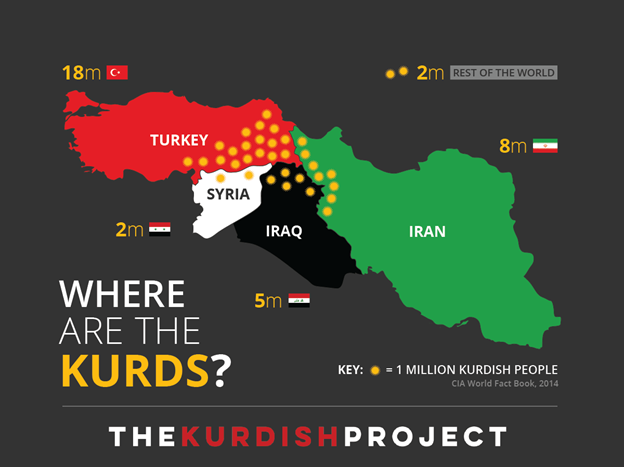
The term “periphery” was used due to the fact that non-Arabs and non-Muslims largely geographically encircled the Arab Muslim population in the Middle East. The Rothschild aim here was to use these three countries (Iran, Turkey and Ethiopia) to apply pressure on the Arab states confronting Israel. Instead of these Arab states directing all their military power in the direction of Israel, threats from these non-Arab states will force them to divide their military power into two separate directions. The fact that like Israel, Turkey, maintained friendly ties with Washington and the West and had long standing conflict with Arab states (Turkey with Syria; Iran with Iraq; Ethiopia with Sudan) helped strengthen Israel’s partnerships with these pro-American and non-Arab countries. For example, Iraq would have to divide its forces into two- one pointing at Israel, and the other at Iran. And Syria, likewise, would have to divide its military force into two- one pointing at Israel and the other at Turkey. And Egypt would also have to split its military power into two-one pointing to Israel and the other facing south to Ethiopia. In the 1980s, Iraq was forced to divert its forces to Iran instead of Israel. In December 2024, Syria was attacked by Turkey in its north. Finally, we have the current case of Egypt which allocated the majority of its military power eastwards to Israel, but over the past 3 years, and especially recently, has to allocate more forces to face the threats from the south- from Ethiopia and Abu Dhabi, using Sudan as a base to weaken Egypt, and Ethiopia to cut-off Egypt’s water supply. In 1949, Turkey became the first Muslim-majority state to formally recognize Israel. The 1979 Iranian Revolution was a major setback for Israel. The new government of Iran severed relations with Israel and withdrew recognition. Iranian leaders called Israel an “illegal entity” and even called for its destruction. As Turkey and Iran were the pillars of the Western alliance, the Kurds did not play a big role. However, Israel actively supported the Kurdish separatist movement in Iraq. ” Since the late 1950s, Mossad supported Kurdish groups in Iraq.
“Alliance of Minorities”: This sub-strategy involved supporting, arming, and cooperating with non-Arab/non-Muslim minorities within Arab nations, such as the Lebanese Maronites, Iraqi Kurds, and South Sudanese rebels. Objectives: The doctrine was designed to weaken, distract, and contain hostile Arab states by forcing them to focus on their own borders or internal security . The doctrine remains a foundational concept for Israeli, with modern, “new periphery” strategies often focusing on cultivating ties with nations further afield, such as in Central Asia or Africa. The Kurds’ quest for self-determination involves four distinct yet interconnected territories within a single contiguous Kurdistan. Within territorially fragmented Greater Kurdistan, the terms Eastern Kurdistan (Rojhilat in Iran), Western Kurdistan (Rojava in Syria), Northern Kurdistan (Bakûr in Turkey), and Southern Kurdistan (Başȗr in Iraq) are used as geographic indicators, consistent with British government documents up to the 1920s and current Kurdish usage. Both London and the US aim to create an independent Kurdistan. This would mean that Turkey, Iraq, Iran and Syria would have to give up land in order for this to happen. This process will surely reduce pressure on Israel, allowing both London and the US to achieve their joint aim for the region.
5 Ethopia
War is coming to the Horn of Africa, and Ethiopia is accelerating its arrival. While threatening and confronting a widening insurgency at home, Addis Ababa is now helping the UAE-backed Rapid Support Forces (RSF) open a new front in Sudan. Ethiopia’s increasing intervention comes amid setbacks for the RSF and shifting alliances. If Ethiopia succeeds, it could become a regional power, bridging East Africa and West Asia. Failure could turn it into the next post-Yugoslavia.
Western Alignment and Imperial Inheritance
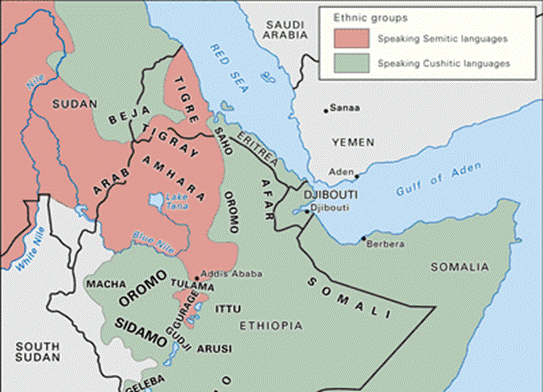
Ethiopia has long balanced defiance with dependence. It was one of only two African states to avoid formal colonization during the 1884–85 Berlin Conference. Yet its sovereignty survived through tactical partnerships with European powers. With the help of the Rothschild European network in the late 19th century, the Ethiopian empire expanded into territory inhabited by Oromo (Oromia) and Somali people (Ogaden). When rebellion broke out in Ogaden, Ethiopia conspired with Britain to quell the uprising and divide the land. The 1960s brought renewed uprisings in Eritrea and in the Ogaden. Israel played a decisive role, providing counterinsurgency training against these largely Muslim regions, which Tel Aviv viewed as potential gateways for Arab nationalist influence. The US provided support given that rival Somalia was allied with the USSR. After the 1974 revolution installed a communist government, Washington distanced itself. Israel, however, maintained covert cooperation. When the communist government collapsed in 1991, Eritrea moved toward independence, which it formally achieved in 1993. Following 11 September 2001, Ethiopia again became central to US security strategy in the Horn. Washington directed hundreds of millions of dollars in military and counterterrorism assistance to Addis Ababa. In 2006, Ethiopian forces invaded Somalia with US backing, toppling the Islamic Courts Union and laying the groundwork for the prolonged al Shebab insurgency, a Somali extremist group affiliated with Al-Qaeda.
A Fractured Neighborhood
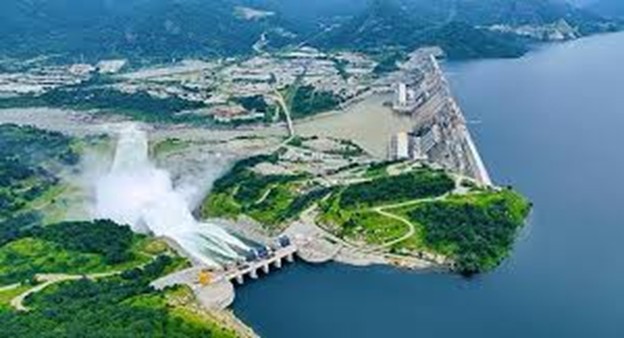
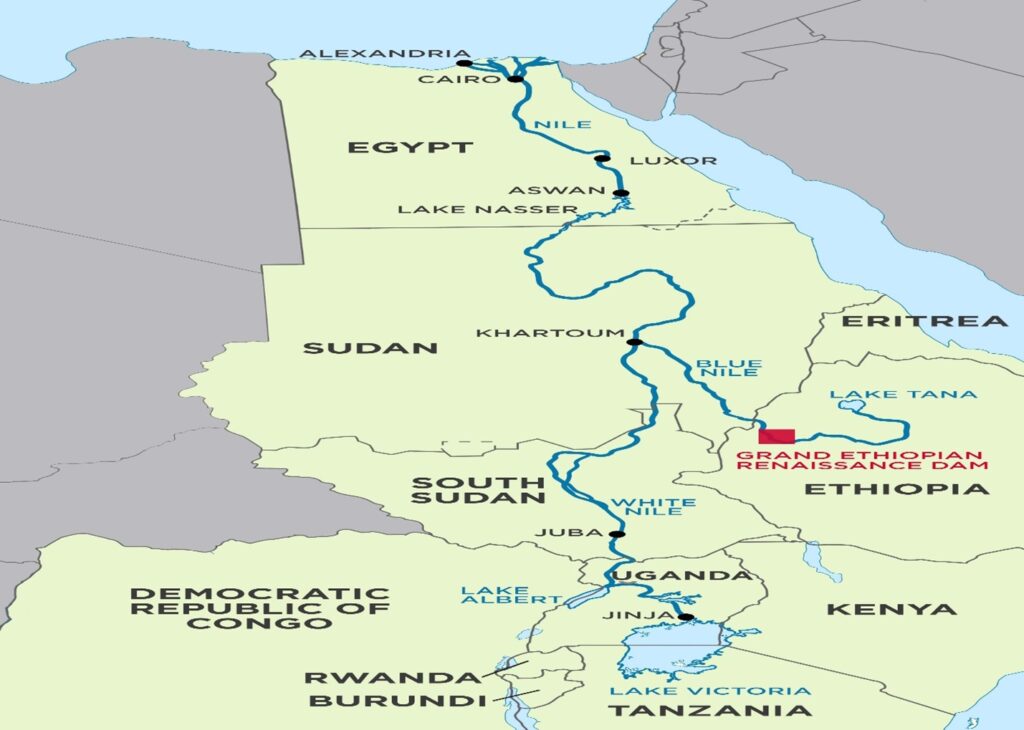
The cozy relationship with the west now faces setbacks. In 2021, the US imposed sanctions on Ethiopia, Washington saw Ethiopia as a destabilizing force in the region. Regardless, Addis Ababa had to look elsewhere for support. Ethiopia had to find an ally that aligned with its policy towards neighboring Eritrea, Somalia, and Sudan. With Eritrea, historic animosity and border disputes have created a bitter rivalry. Ethiopia has accused Eritrea of backing rebels in the Amhara region and deploying troops on its territory. Rhetoric in Addis Ababa has periodically invoked Red Sea access, including reference to Assab Port – claims that carry no legal basis under international law. Somalia is another longstanding rival. The 16th-century Ethiopian–Adal war and the 1977–78 Ogaden war remain foundational memories. Strategically, however, Addis Ababa has little interest in a strong Mogadishu capable of reviving territorial claims over the Ogaden. Sudan and Ethiopia have also butt heads, ever since the 1850s Mahdist State War. Ethiopia supported South Sudan separatists, and in the 1990s, at Washington’s urging, Ethiopia joined the Front-Line States Strategy against Sudan. Relations improved in the 2000s, but worsened as Ethiopia began building the Grand Ethiopian Renaissance Dam (GERD). Sudan, along with Egypt, has complained that the GERD will lead to less water to the Nile, reducing agricultural output. Ethiopia considers it a sovereign development project and a pillar of national legitimacy. Who would provide Ethiopia with the support it needed? China was one alternative, given its established relationship. Beijing accounts for half of Ethiopia’s foreign direct investment and provides training for the army. But it does not share the same alignment when it comes to Ethiopia’s neighbors. In fact, China was one of the only countries that provided support to Eritrea during the war of independence. In 2021, Eritrea signed onto the Belt and Road Initiative (BRI). China also has close relations with Somalia given Taiwan’s support for Somaliland. Likewise, Russia has been working with Sudan since 2020 to build a naval base, and Eritrea was one of the few countries to support the invasion of Ukraine in 2022.Neither power offers the partisan security alignment Addis Ababa now seeks. Enter the UAE.
Abu Dhabi in the Horn
The UAE is the 4th largest foreign direct investor in Africa and a decisive actor along the Red Sea corridor. For years, Abu Dhabi cultivated parallel ties with Eritrea, Somalia, and Ethiopia. Its military base in Assab supported operations in Yemen. That posture shifted as Saudi-Abu Dhabi tensions rose over Yemen. The rupture sharpened competition between Riyadh and Abu Dhabi across the Red Sea basin. A year after leaving Mogadishu, Ethiopia and the UAE agreed to strengthen bilateral defense and military cooperation under a Memorandum of Understanding (MoU). In 2021, the UAE was providing support to Ethiopia to fight in Tigray, with over 90 flights carrying military equipment. In 2025, the UAE announced a $3-billion railway to connect Berbera, Somaliland (claimed by Somalia) with Ethiopia. As the UAE–Saudi rivalry kicked off in late 2025, Addis Ababa and Abu Dhabi reaffirmed their strategic partnership, emphasizing the importance of security collaboration. On 12 January 2026, Mogadishu formally severed all agreements with the UAE, annulling port concessions, security arrangements, and defense cooperation deals. The decision eliminated one of Abu Dhabi’s primary Horn footholds. Ethiopia and the UAE now need each other more than ever. Without bases in Somalia, the UAE needs Ethiopia to deliver equipment to the RSF in Sudan, which has only become more urgent as the Sudanese Armed Forces (SAF) is wining against the RSF. An SAF victory also poses a challenge to Ethiopia. No longer fighting the RSF, Sudan might attack the GERD, which is only 10 kilometers away from the border. Ethiopia also prefers the RSF, which provided support in the Tigray War. In contrast, during the Tigray War, the SAF took over the disputed Al-Fashaga area. It is within this framework that reports emerged of Ethiopian training for thousands of RSF fighters near the border.
External projection, Internal strain
This month, news broke out that Ethiopia was hosting a secret military base to train up to 10,000 RSF fighters – a game changer for both the UAE and Ethiopia. With the base, a new front has opened in the Southeast Blue Nile State. With most fighting in Sudan occurring in Kordofan, the SAF now has to devote resources here. Already, the RSF and allied Sudan People’s Liberation Movement–North (SPLM–N) have captured the strategic town of Deim Mansour in Blue Nile. As for the base, it is just 100 kilometers south of the GERD. If the RSF and SPLM–N capture more of Blue Nile State, Ethiopia will have a buffer. Moreover, a full RSF victory would extend Ethiopia’s influence up to the border with Egypt, which also opposes the GERD. But opening a new front is risky for Ethiopia. The RSF and SPLM–N are moving slowly. Ethiopia’s support for the RSF also opens itself up to attack.
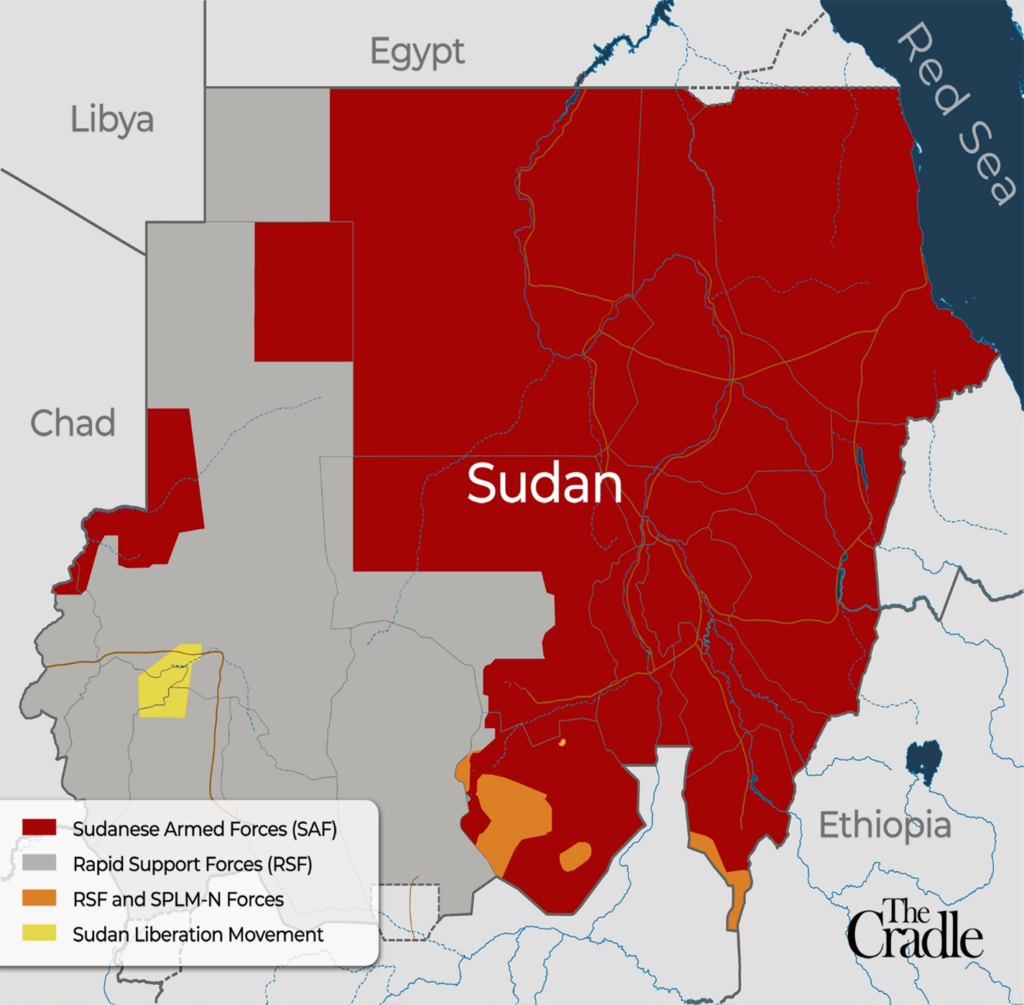
Last month, the SAF destroyed a 150-vehicle convoy crossing from Ethiopia. If the SAF seizes the region, nothing would stop them from crossing the border to attack the RSF’s camp. Rather than having a buffer in Sudan, Ethiopia might find the SAF on GERD’s doorstep.
Meanwhile, Ethiopia’s internal balance remains precarious. A front in Sudan also deprives Ethiopia of military resources to domestic insurgencies. The Tigray People’s Liberation Front (TPLF) still controls most of the Tigray region. Many fear war will break out again, as Ethiopia sends troops to the region. There is also the Fano militia, an ethnic Amhara group that helped fight in Tigray for Ethiopia, but turned against Ethiopia when it tried to dissolve the group. The Fano is now seizing and raiding towns as Ethiopia diverts troops to Tigray. The Oromo conflict has also been going on for over 50 years. The Oromo Liberation Front (OLF) and TPLF were 140 kilometers away from the capital during the 2021 Addis Ababa offensive. The OLF has recently threatened to go to war if its demands are not met. Meanwhile, the Ogaden National Liberation Front has threatened to attack oil facilities. There has also been sporadic conflict in Gambelia and where the RSF’s training base is located. Projecting force into Sudan diverts attention and capacity from a fragile domestic equilibrium. History offers sobering parallels. Ethiopia faces its own centrifugal pressures.
A New Alignment
No longer able to rely on unquestioned US backing, Ethiopia has turned decisively toward the UAE. With Abu Dhabi pushed out of Eritrea and now formally expelled from Somalia after Mogadishu annulled all agreements in January 2026, the Emiratis incur limited strategic exposure through this partnership. Ethiopia absorbs the greater risk. Addis Ababa has undoubtedly benefited from Emirati investment, arms transfers, and political backing. Support for the RSF could secure a buffer along the Sudanese frontier, shield the GERD from a hostile Sudanese army, or, at a minimum, prolong Sudan’s war long enough to neutralize any immediate threat. In the most ambitious scenario, an RSF-dominated Sudan would project Ethiopian influence to Egypt’s southern flank and reshape Nile basin politics. But the same move could destabilize the Ethiopian state itself. Intervening in Sudan while insurgencies persist in Tigray, Amhara, Oromia, and other areas stretches an already fragile federation. External projection does not resolve internal fracture. In the Horn of Africa, overreach carries consequences. The story continues in Part 4